
Bringing Discipline to Digital Operations
Most organizations do not struggle because they lack digital systems. Instead, they struggle because the systems they already have do not work together in a disciplined way. Data exists, tools exist, and dashboards exist, yet everyday work still depends on manual coordination, follow-ups, and individual judgment because there is no consistent structure holding digital operations together.
That gap is rarely technological. Rather, it is operational, and it shows up not in what software has been implemented but in how work actually gets done. This page explains what DAEvol means by digitalization and why, at this stage of growth, discipline matters more than speed.
What Digitalization Means in the DAEvol Framework?
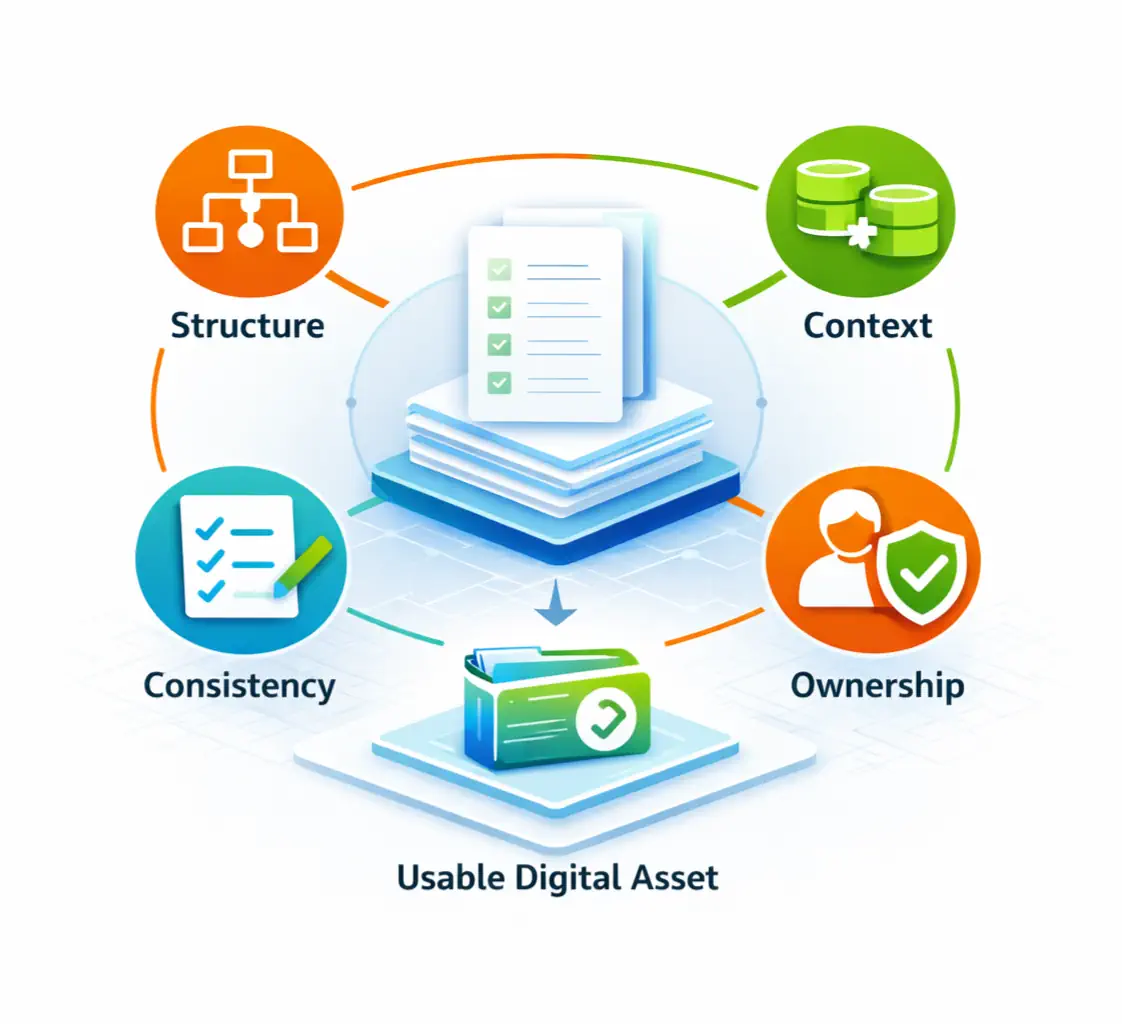
In the DAEvol framework, digitalization is not about adopting more platforms or automating faster. Rather, it is about bringing discipline to how digital work is executed across the organization so that systems support work instead of requiring constant human correction.
In practice, this discipline shows up in very specific ways:
-
How processes are actually followed in day-to-day work
-
How information moves between systems and teams
-
How responsibility is handled when work changes or exceptions occur
When these elements are unclear or inconsistent, even capable digital systems tend to create noise instead of clarity. When discipline is introduced, digital work becomes reliable, and over time, that reliability replaces constant correction and oversight.
Why Digitized Organizations Still Feel Disordered?
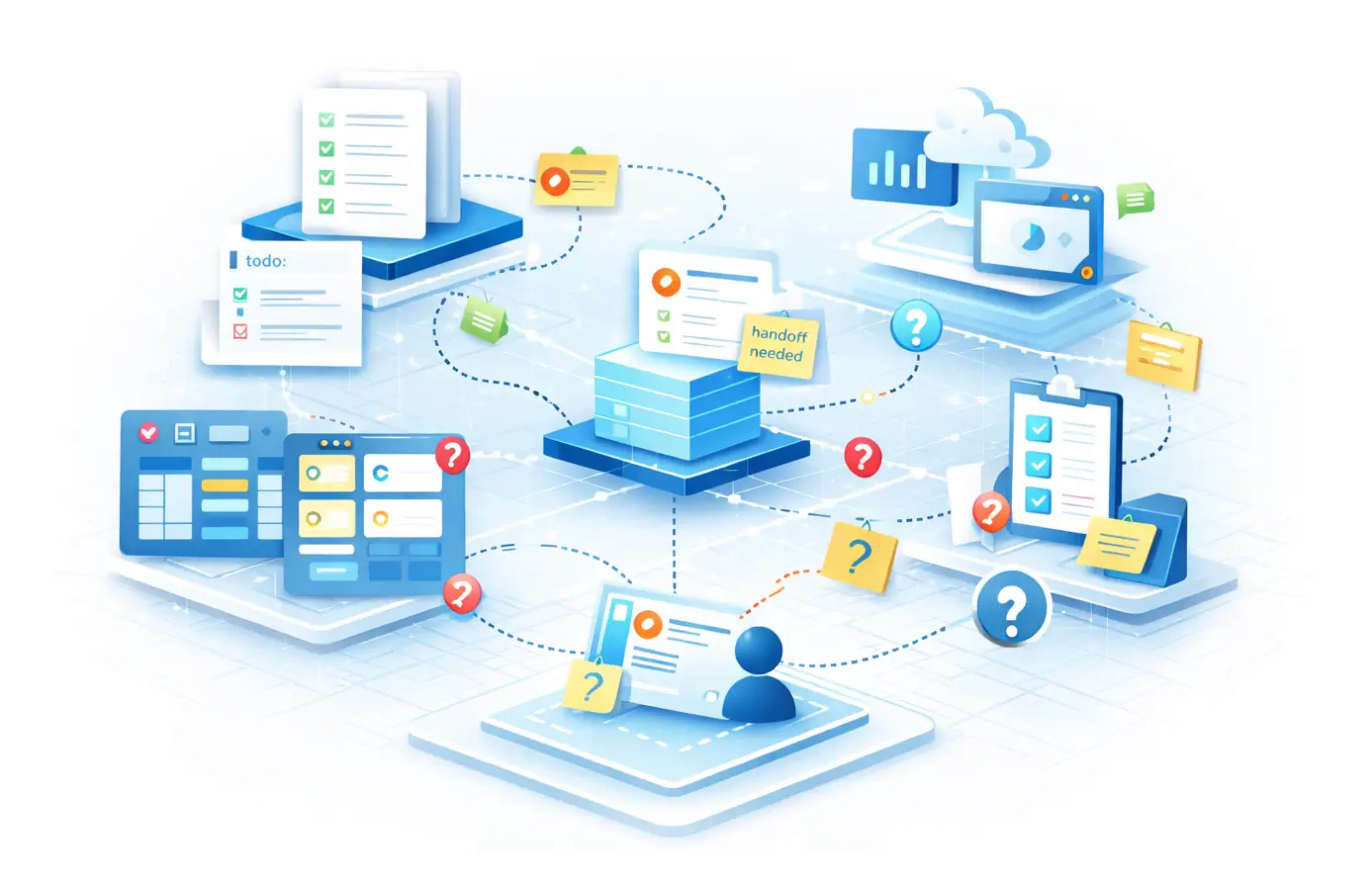
Many organizations believe they have already progressed because information is digital and systems are in place. Still, familiar problems persist.
Work gets done differently depending on who is involved, teams rely on informal coordination to bridge system gaps, and exceptions slowly become routine. Decisions take longer than they should because ownership is unclear, even though the required information exists somewhere.
These issues are often blamed on tools or people. In reality, they usually point to the same underlying issue: the digital environment lacks operational discipline. Digitalization exists to address this gap by stabilizing how work flows through systems rather than relying on individuals to compensate for structural weaknesses.
Digitization, Digitalization, and Digital Transformation Are Different Stages
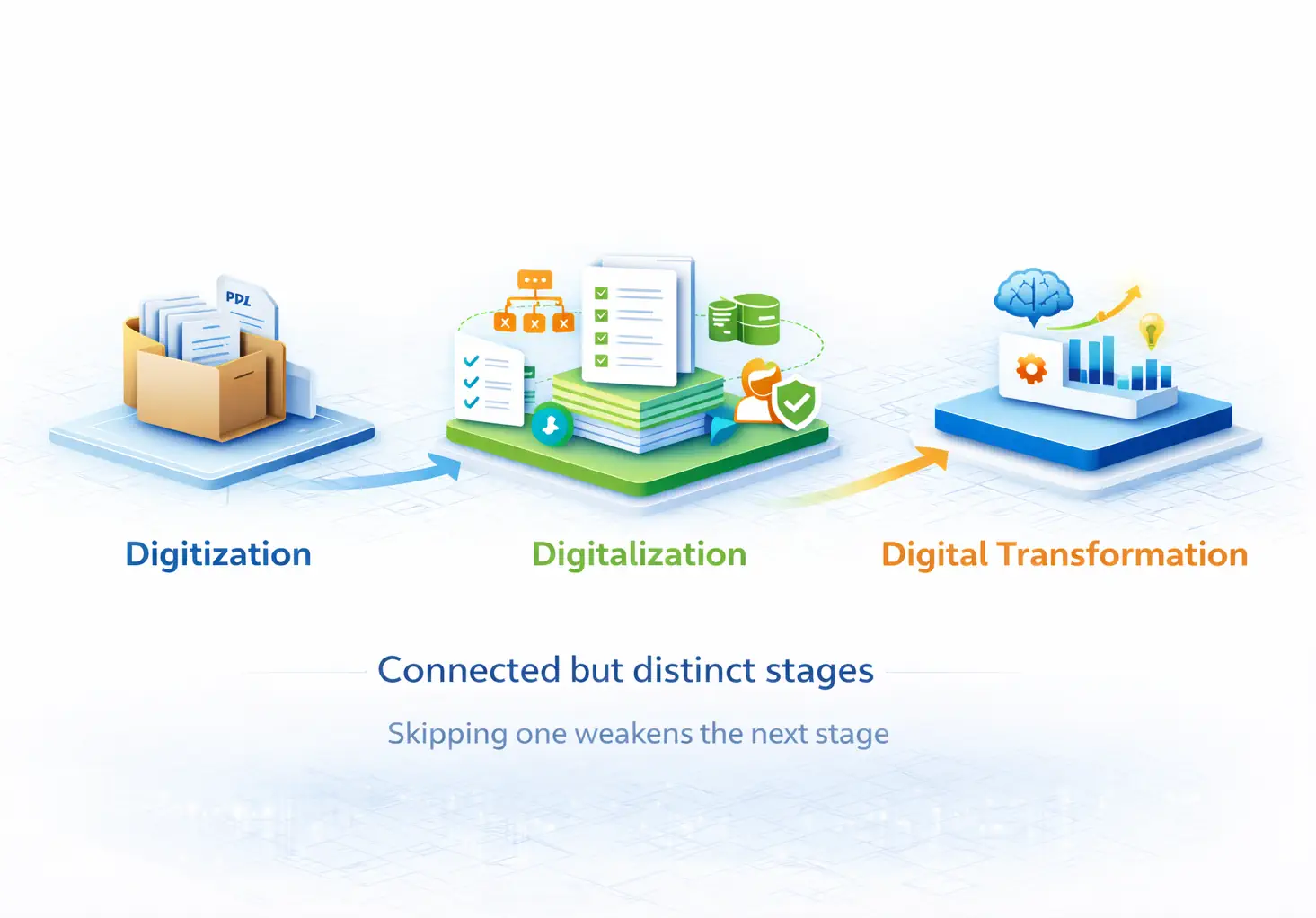
These terms are often used interchangeably, although they describe different stages of digital maturity.
- Digitization focuses on converting physical or manual information into digital form.
- Digitalization focuses on bringing discipline to how that digital work is executed across the organization.
- While, Digital Transformation comes later, when complexity begins to reduce rather than accumulate.
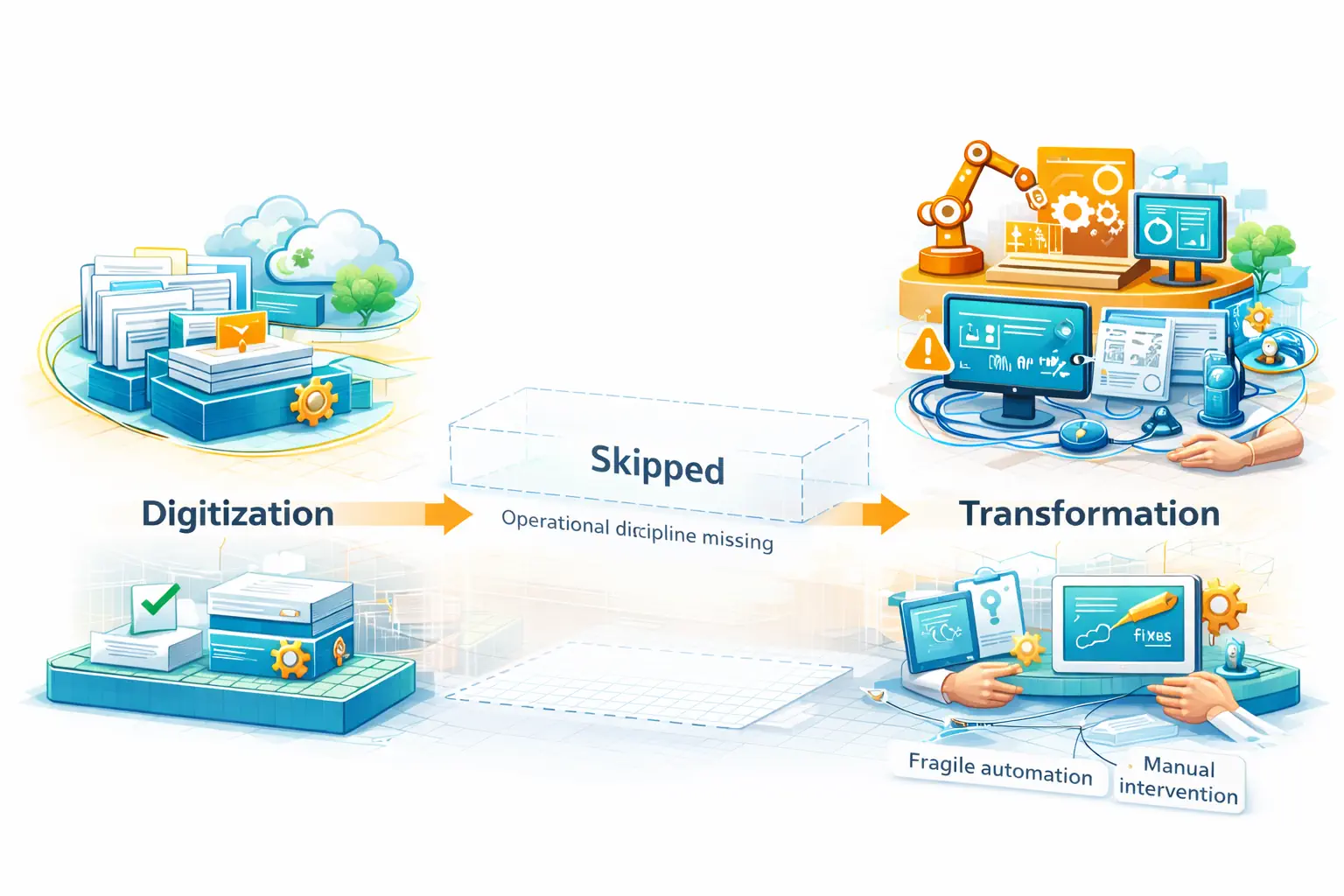
DAEvol treats these as connected but distinct stages because skipping one weakens the next. When organizations attempt transformation without disciplined digital operations, automation tends to amplify inconsistency instead of resolving it.
What Disciplined Digital Operations Feel Like?
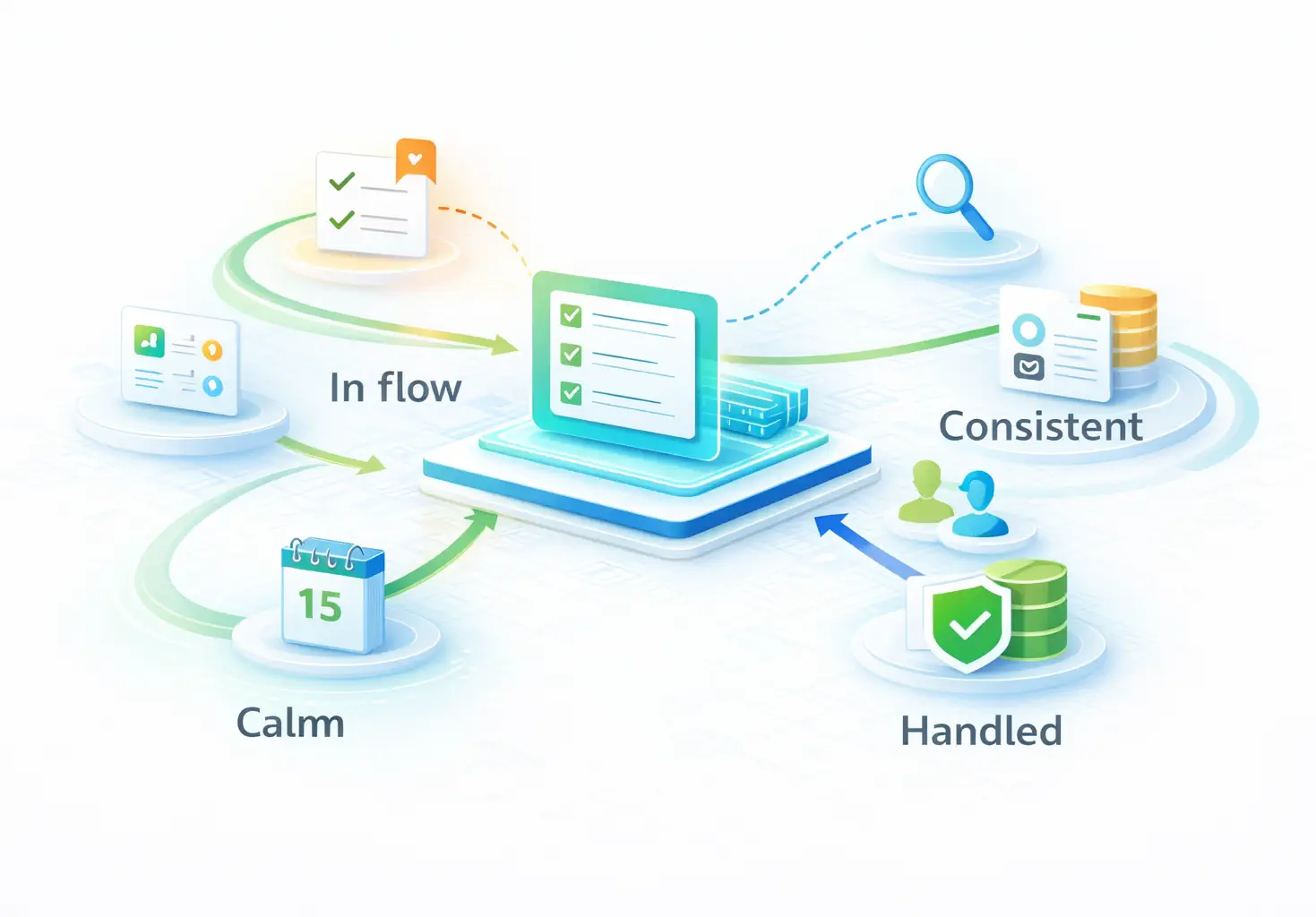
When digital operations are disciplined, work begins to feel more predictable and less reactive.
Processes follow consistent patterns across teams, exceptions are visible instead of hidden, and people spend less time coordinating around systems and more time completing work through them. This does not mean operations become rigid. Rather, discipline reduces unnecessary variation while preserving flexibility.
As a result, decision clarity improves, trust in information grows, and operational friction gradually declines.
Why Digitalization As a Stage Is Commonly Skipped?
Digitalization does not look impressive from the outside. It does not promise immediate transformation, nor does it introduce visibly new capabilities. Instead, it asks uncomfortable questions about ownership, consistency, and how work is actually performed.
Because of this, many organizations move directly from digitization to transformation. The result is often fragile automation, growing complexity, and systems that require constant human intervention to function as intended.
DAEvol treats digitalization as a required maturity stage rather than an optional one because stability cannot be rushed without long-term cost.
How Digitalization Enables Simplification?
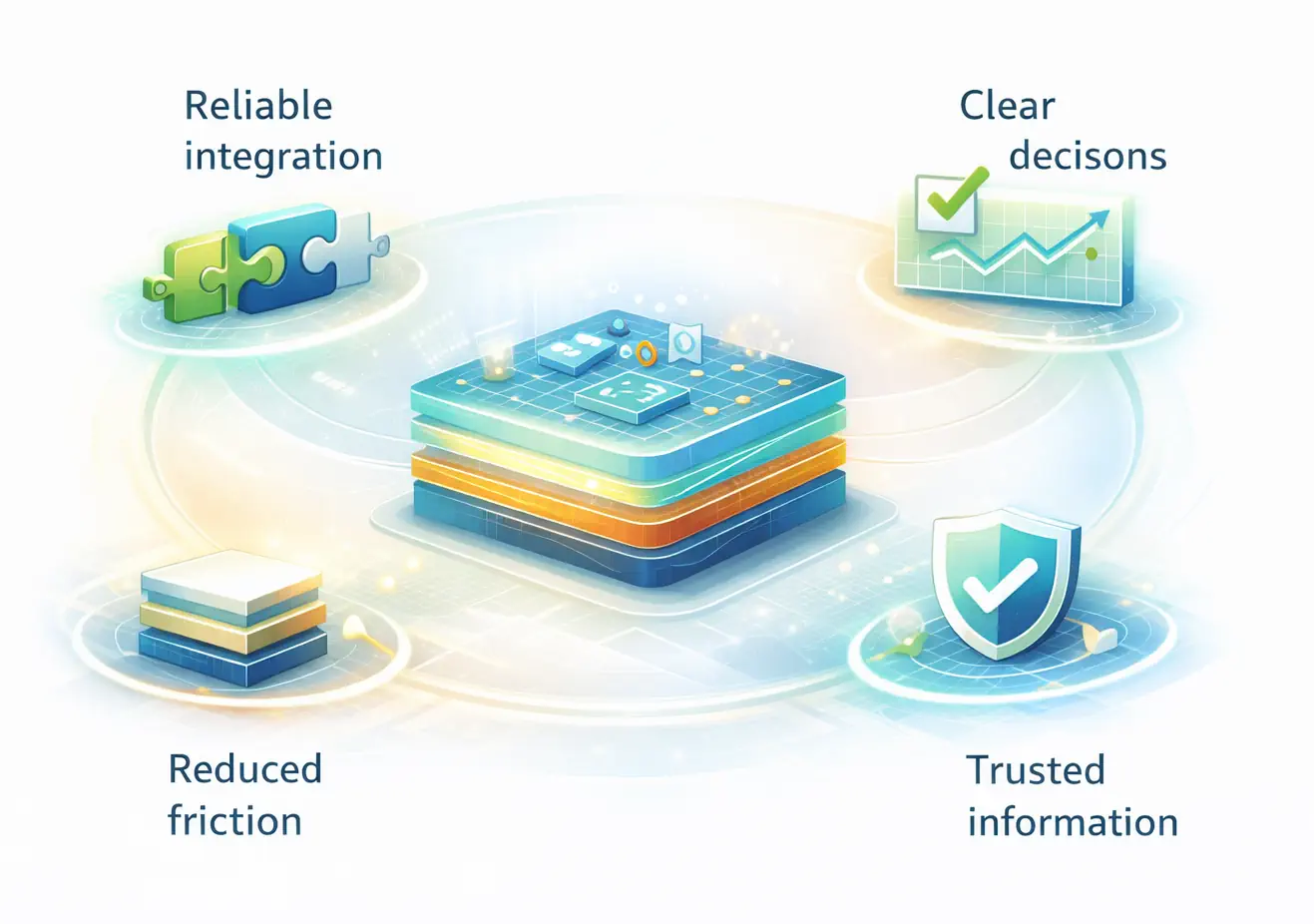
Once digital operations are disciplined, something important begins to change. Systems integrate with less effort, decisions take less time, and teams start to trust the information they work with.
Speed emerges naturally, not because it is forced, but because clarity has removed friction. At this point, digital transformation becomes sustainable rather than disruptive, since complexity is reduced through maturity rather than managed through continuous effort.
Closing Perspective
Digitalization is not about moving faster. Rather, it is about being in control of how digital work actually happens.
Only when digital operations are disciplined does complexity begin to reduce, and only then does transformation become a natural outcome instead of a risky initiative.
Digital Stability Starts With Discipline
Explore whether your organization is ready for the next stage of maturity.